

The Exposure Triangle Is A Lie
One of the first concepts encountered in photography is the exposure triangle: aperture, shutter speed, and ISO. It is often introduced early and explained as a set of variables to balance

The exposure triangle is a lie.
Or at least, it becomes one the moment we treat it like a formula.
Aperture, shutter speed, and ISO are often introduced early as three simple settings to balance. But real photographs are not made by balance alone. They are shaped by tradeoffs.
Because exposure doesn’t only decide how bright an image becomes. It decides depth, motion, texture, and atmosphere. And those decisions quietly decide the feeling of the photograph.
So this is less a lesson about “correct exposure”, and more a way to choose settings with intention, based on what the scene is asking for.
The exposure triangle is a lie.
Learn the tradeoffs that shape depth motion texture mood.
Shutter Speed
Shutter speed controls time and how long the camera’s sensor is exposed to light.
Fast shutter speeds let light in for just a brief moment, freezing motion. This is useful for capturing sharp images in action, sports, wildlife, portraits, or even windy landscapes where flowers or leaves are moving.
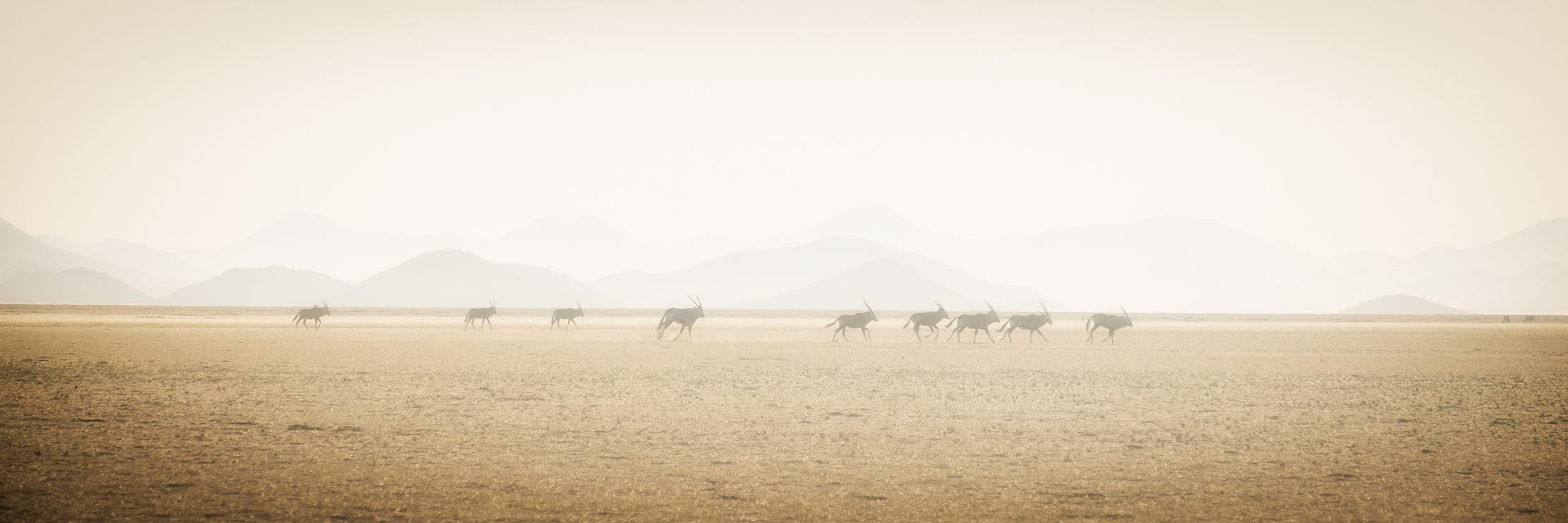
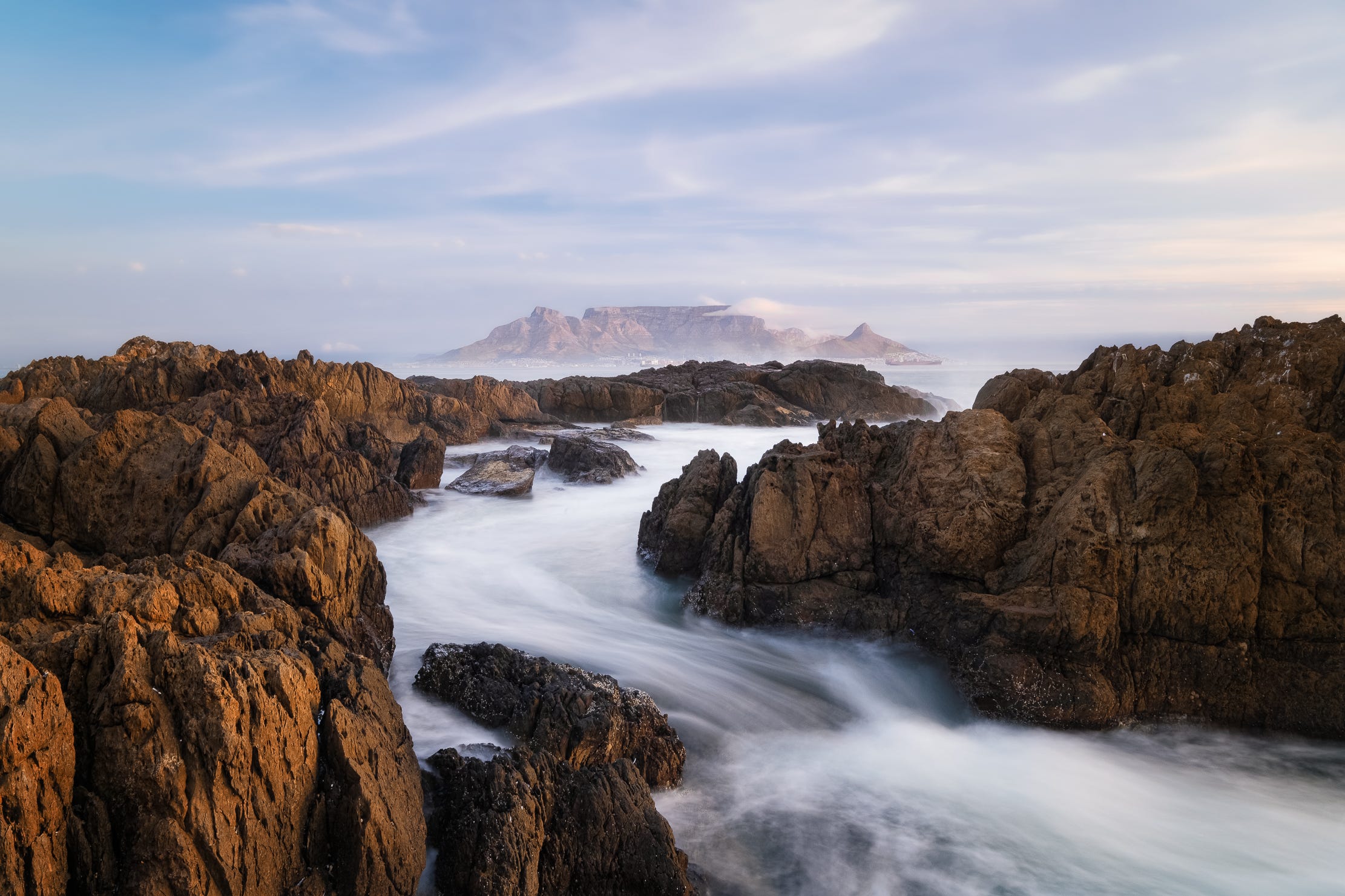
Slow shutter speeds keep the sensor exposed for longer, allowing movement to blur. This can turn motion into a creative element, such as silky water in a stream or soft, flowing clouds in the sky.
ISO
ISO controls the camera sensor’s sensitivity to light.
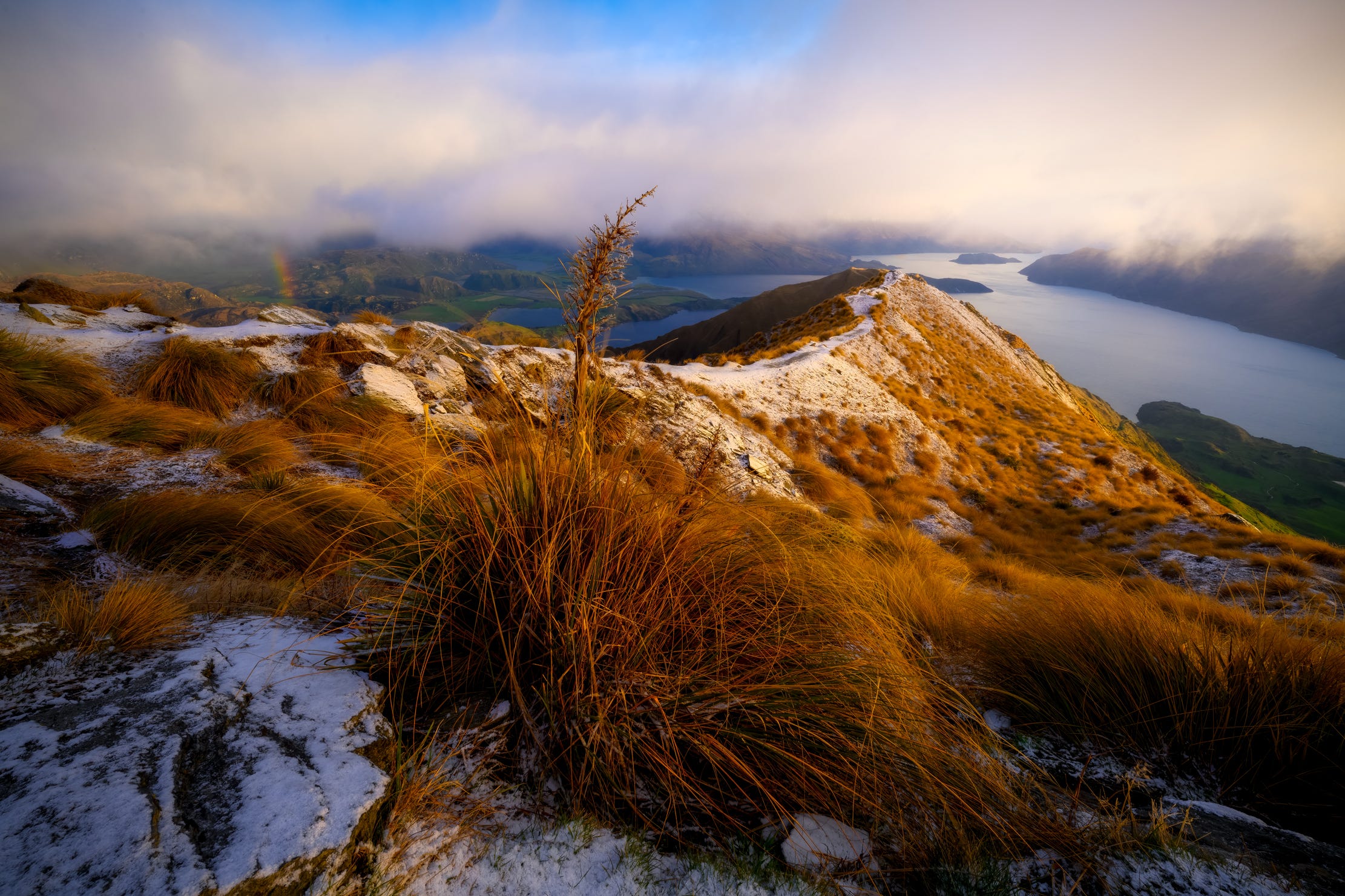
A low ISO value produces a clean, sharp images with minimal noise. It also preserves the camera’s dynamic range, meaning your highlights and shadows retain more detail. This is ideal for bright conditions or landscapes with a lot of contrast.
A Higher ISO allowing you to shoot in darker conditions. The trade-off is more digital noise. It can reduce the overall image quality.
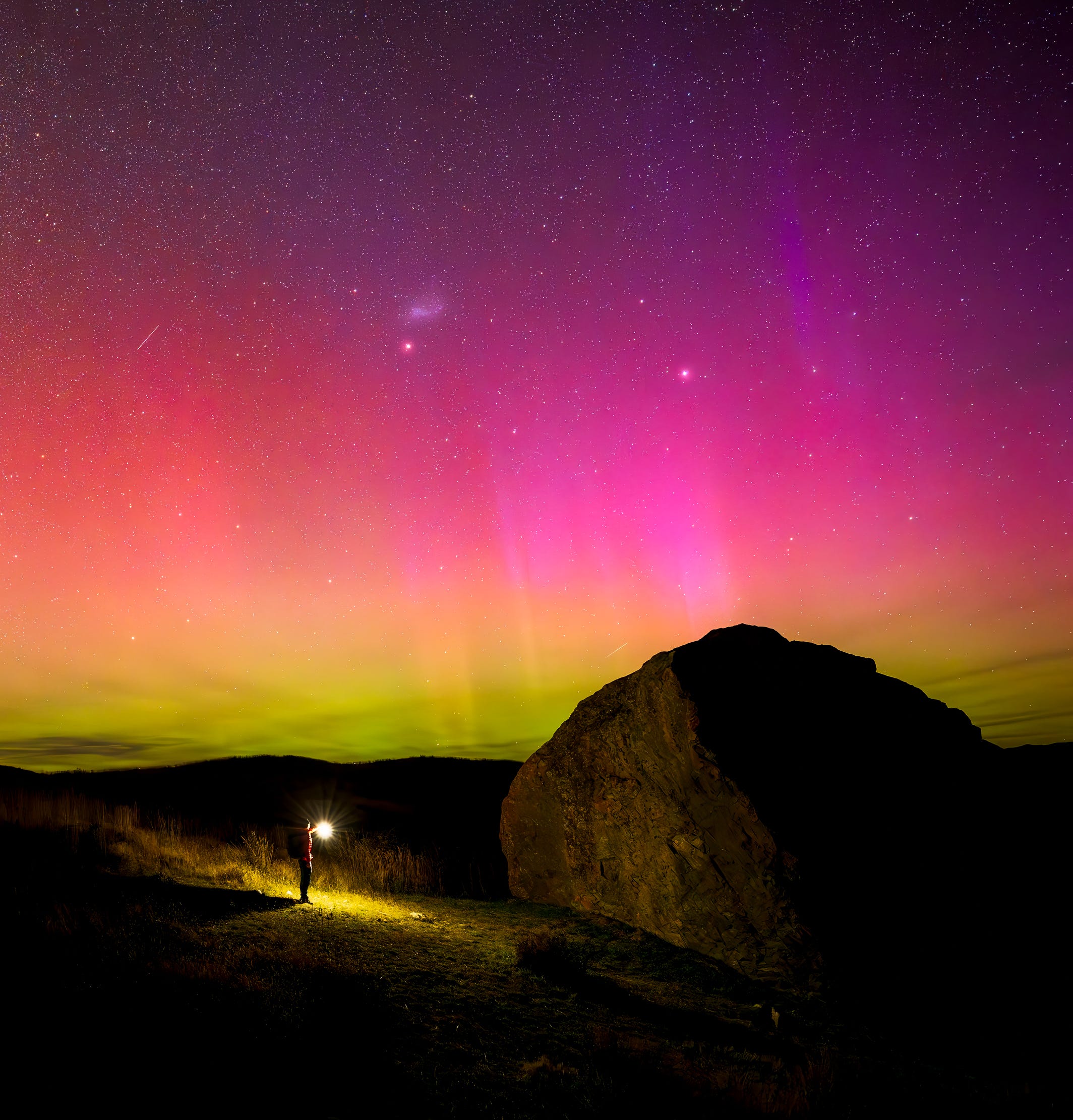
Think of ISO like turning up a microphone: the quieter the environment, the more you amplify, but if you amplify too much, you start to hear static. Similarly, high ISO can brighten your image but may lose subtle details in lights and shadows.
Aperture (F-Stop)
Aperture controls how much light enters the camera through the lens, and it also shapes the depth of field, how much of the image is in focus.
A wide aperture (low f-number, like f/2.8) lets in a lot of light. It’s great for low-light situations and creates a shallow depth of field, making your subject stand out against a soft, blurred background.
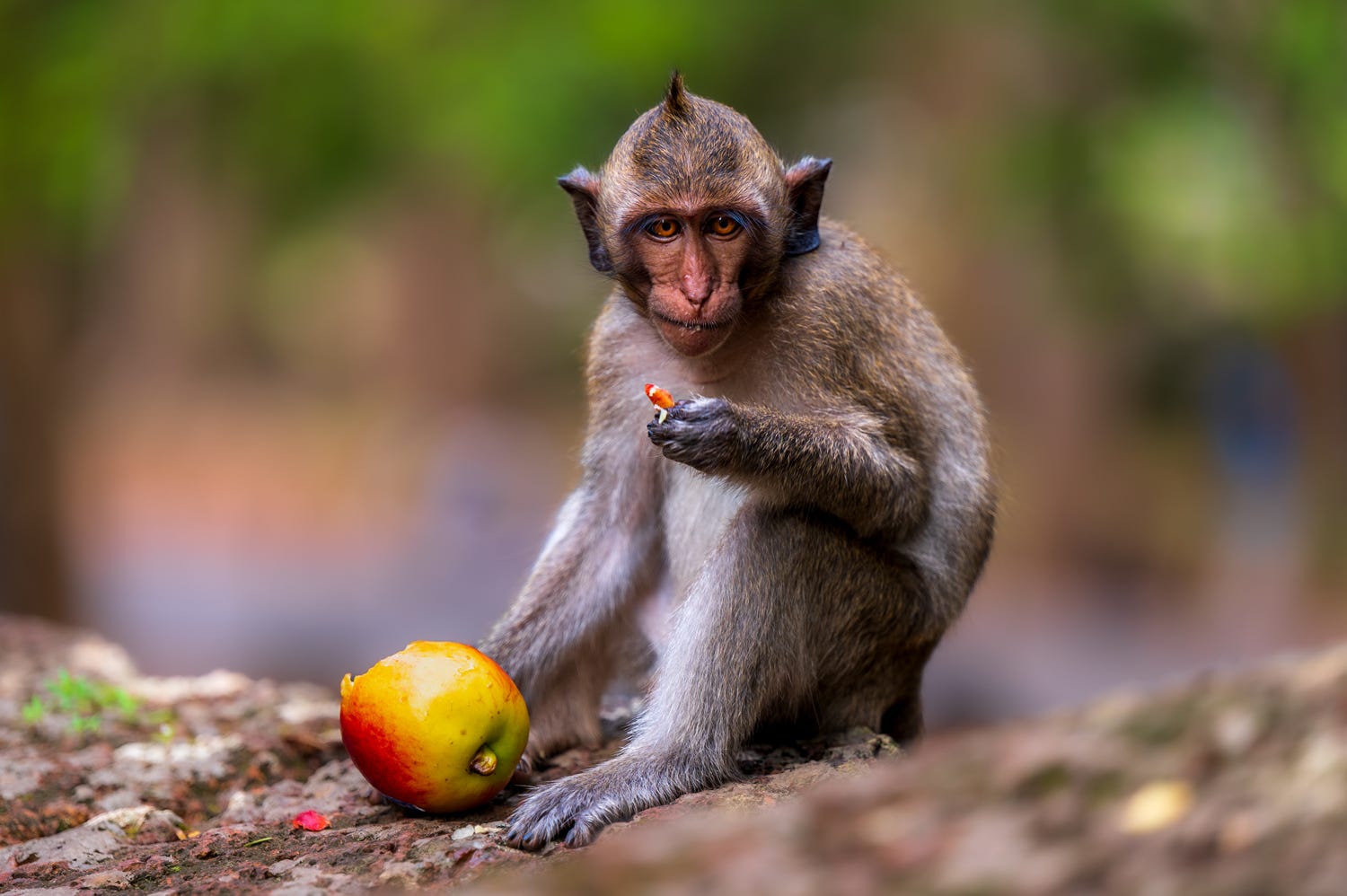
A narrow aperture (high f-number, like f/14) lets in less light but creates a deep depth of field, keeping most of the scene sharp and in focus. This makes it ideal for landscapes, where you want to capture fine details from the foreground all the way to the distant horizon.
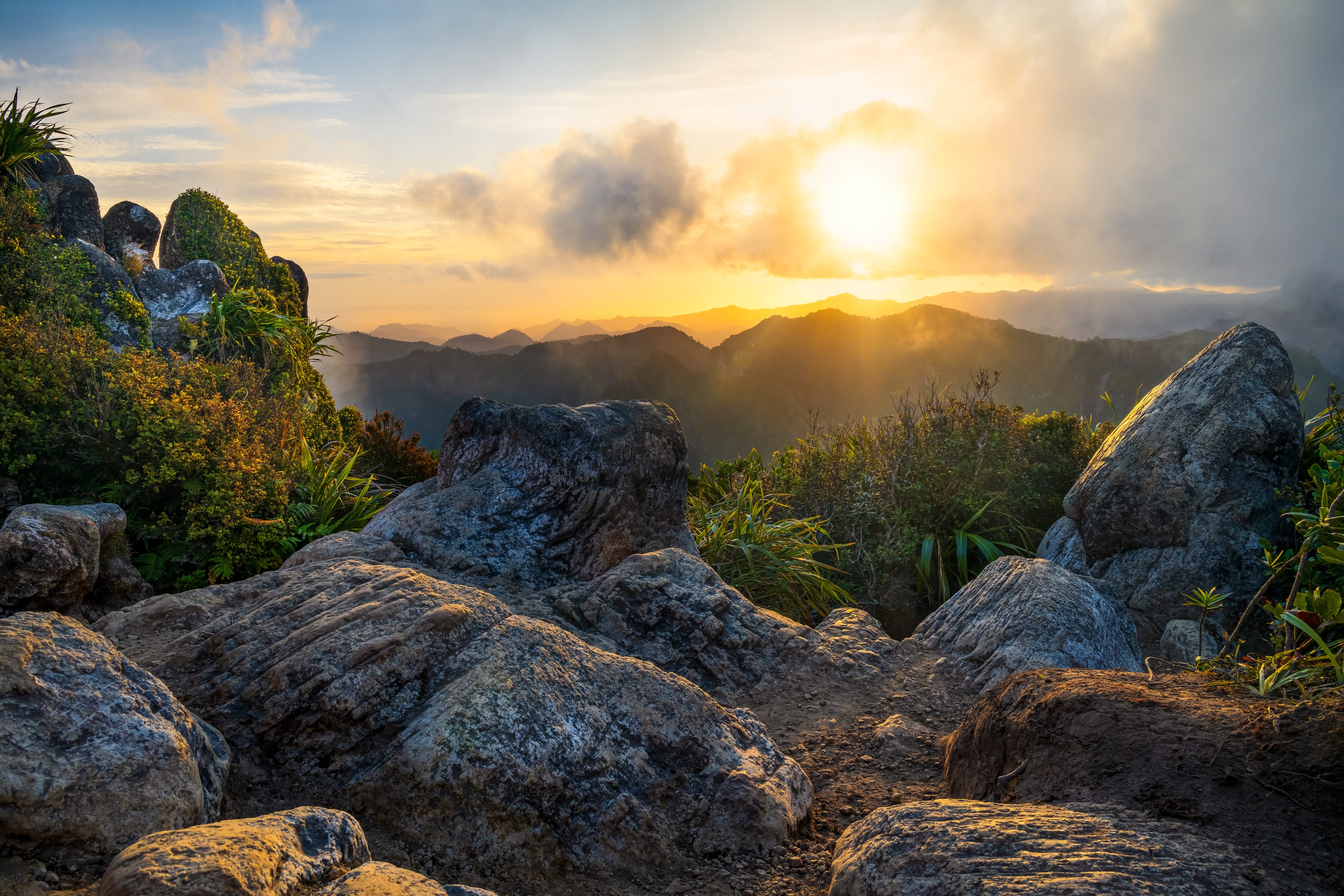
Aperture is like the camera’s pupil. It widens to let in more light and narrows to control what’s in focus.
Even before touching the settings, take a moment to observe your main subject. Ask yourself what you truly want to capture: a fleeting movement, a frozen instant, the softness of a landscape, or the slow breathing of a long exposure.
Is it daytime, evening, or night? Are you indoors, or cradled by the light from outside?
Once the subject and the environment are clearly defined, the first setting almost chooses itself.
By simplifying in this way, everything becomes more fluid: you choose the intention, and the settings follow like a natural response.
Download Your PDF Guide Simplified
Below I created a PDF cheat, that resume and simplified everything. It is available in both french and english.
Rather than treating aperture, shutter speed, and ISO as isolated controls, I explain how they interact and how each decision affects the final image beyond exposure alone. The intention is to encourage clarity and purpose in the field, to make choices based on what the scene asks for, not on habit or formulas.
The guide is something that can be read slowly, revisited when needed, or used as a reference before heading out with a camera. It avoids unnecessary complexity.
